

You’ve cleared the first closet, and there’s already a heap of broken shelving, old paint cans, and a torn futon in the middle of the garage. The question hits you before the second closet is even open: do you call for the container now and start throwing things in as you find them, or do you keep sorting until you know exactly how much you’re dealing with? That single choice quietly shapes how much your whole cleanout costs and how smoothly it runs.
What does your cleanout pace tell you about when to book?
Some projects move in short, concentrated bursts. You take a weekend, rip through the house room by room, and generate a mountain of debris fast. Others crawl along over weeks, with an hour here and an evening there whenever you have the energy. The pace matters because a dumpster is rented by time as much as by volume.
If you’re the burst type, having the bin on hand from the first hour makes sense. If you tend to pick away at a project slowly, booking early means paying for days when nothing goes in the container. Be honest with yourself about which kind of worker you actually are, not the disciplined version you hope to become.
Is loading straight into the bin worth the daily rental clock ticking?
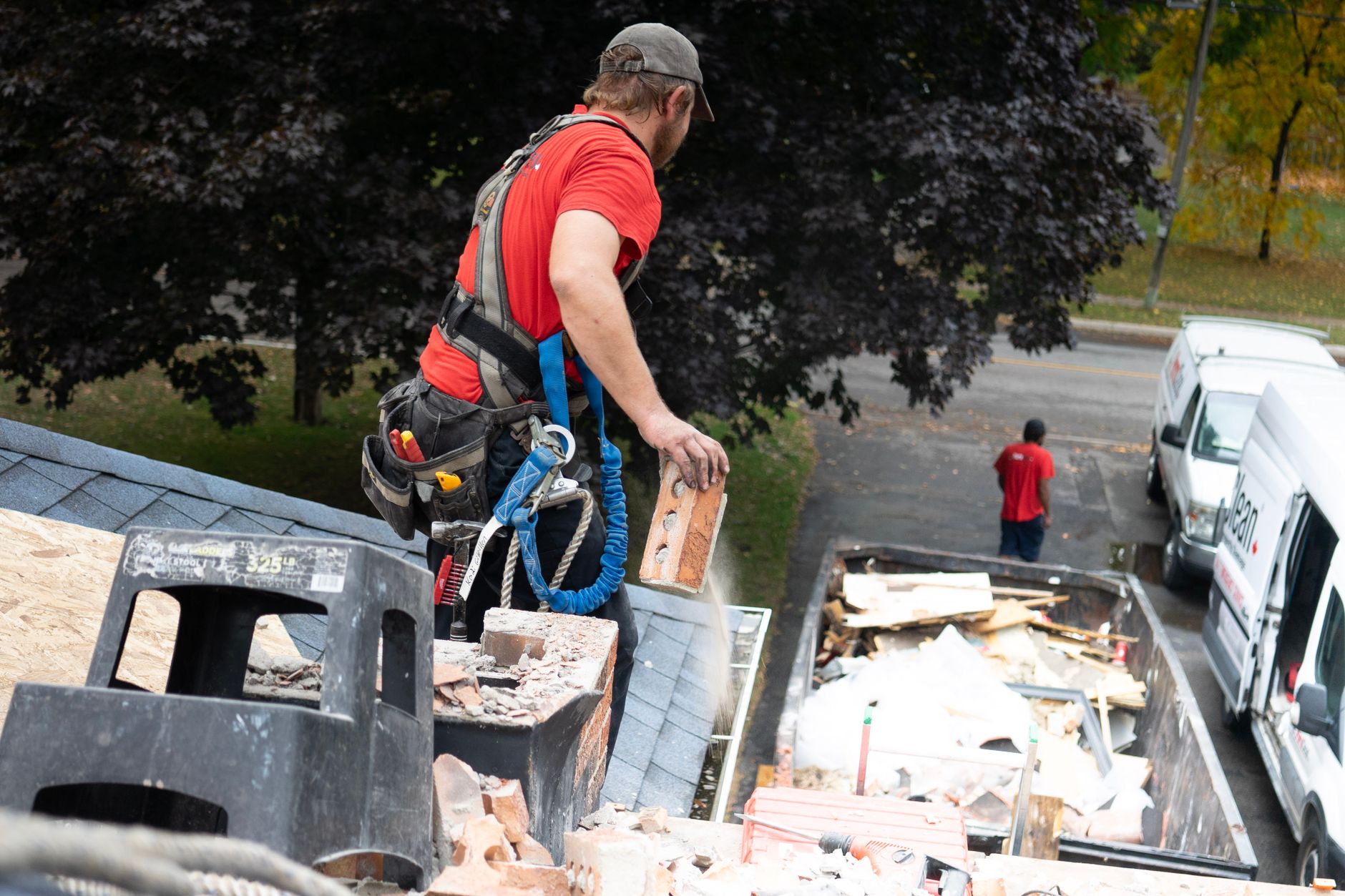
Loading as you go has a real appeal. Every item you touch gets handled once: out of the closet, into the bin, done. There’s no second lift, no pile to walk around, no debris cluttering your workspace while you keep going. For a fast, focused cleanout, that efficiency easily outweighs the rental days.
The catch is that the clock runs whether the bin is full or empty. If you book it, then get pulled away by work or weather for four days, you’re paying for a container that’s sitting there half empty. Loading straight in only pays off when you’re loading steadily.
Does staging debris in piles first actually save you money?
Staging means doing the sorting and demolition first, building organized piles, and only calling for the container once you can see the full scope. The upside is a shorter rental window and a more accurate size estimate, since you’re ordering against a known quantity rather than a guess.
But piles have hidden costs too. You handle everything twice, which is slower and harder on your back. Debris sitting out attracts pests, soaks up rain, and can become an eyesore your neighbors notice. Staging saves money mainly when your space can absorb the piles and your timeline allows a clean, single loading push at the end.
How does yard and driveway space in Spring Hill push the decision one way?
Room to work often settles the argument. If you have a wide driveway and an open side yard, staging piles is painless and the container can drop right where you need it. Tighter lots change the math. A container parked in a short driveway can block your car, and piles left in a cramped yard quickly turn into an obstacle course.
On smaller properties, having the bin present from the start and feeding it directly keeps the site walkable and safe. The layout of your particular property, not a general rule, should guide whether piles or immediate loading fits.
What happens to your estimate when piles reveal more than you guessed?
Staging has one genuine advantage worth weighing carefully: it exposes the true volume before you commit. Almost everyone underestimates a cleanout. That “small” garage clear-out balloons once the rafters and back corners give up what they’ve been hiding for years.
Seeing the piles first lets you order the right size once instead of scrambling for a swap partway through. If you’d rather skip the guesswork entirely, a quick conversation with a provider like dumpster rental spring hill can help you match container size to what you’re realistically facing before the first item goes in. That kind of upfront sizing often saves more than either timing strategy alone.
Which timing move fits the project in front of you?
There’s no universally right answer, only the one that suits this cleanout. A fast, high-volume weekend on a roomy lot leans toward booking early and loading as you go. A slow, uncertain project on a tight property leans toward staging first, sizing accurately, then bringing the bin in for a short, decisive haul.
So look at the heap already forming in your garage and ask which describes you: the steady loader who wants the container waiting, or the sorter who’d rather see the whole picture first. That’s the decision now sitting in front of you, and it’s yours to call before you dial.